
Introduction: Why Caye Caulker is Belize’s Best-Kept Secret
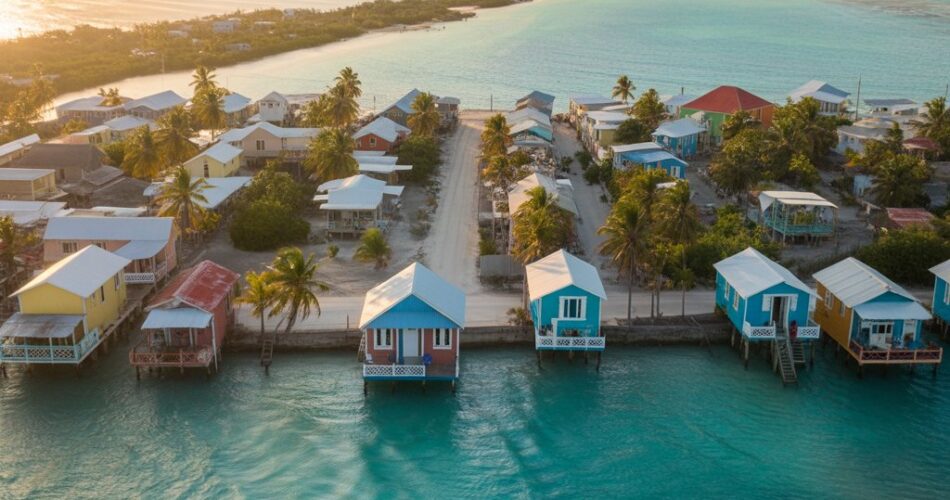
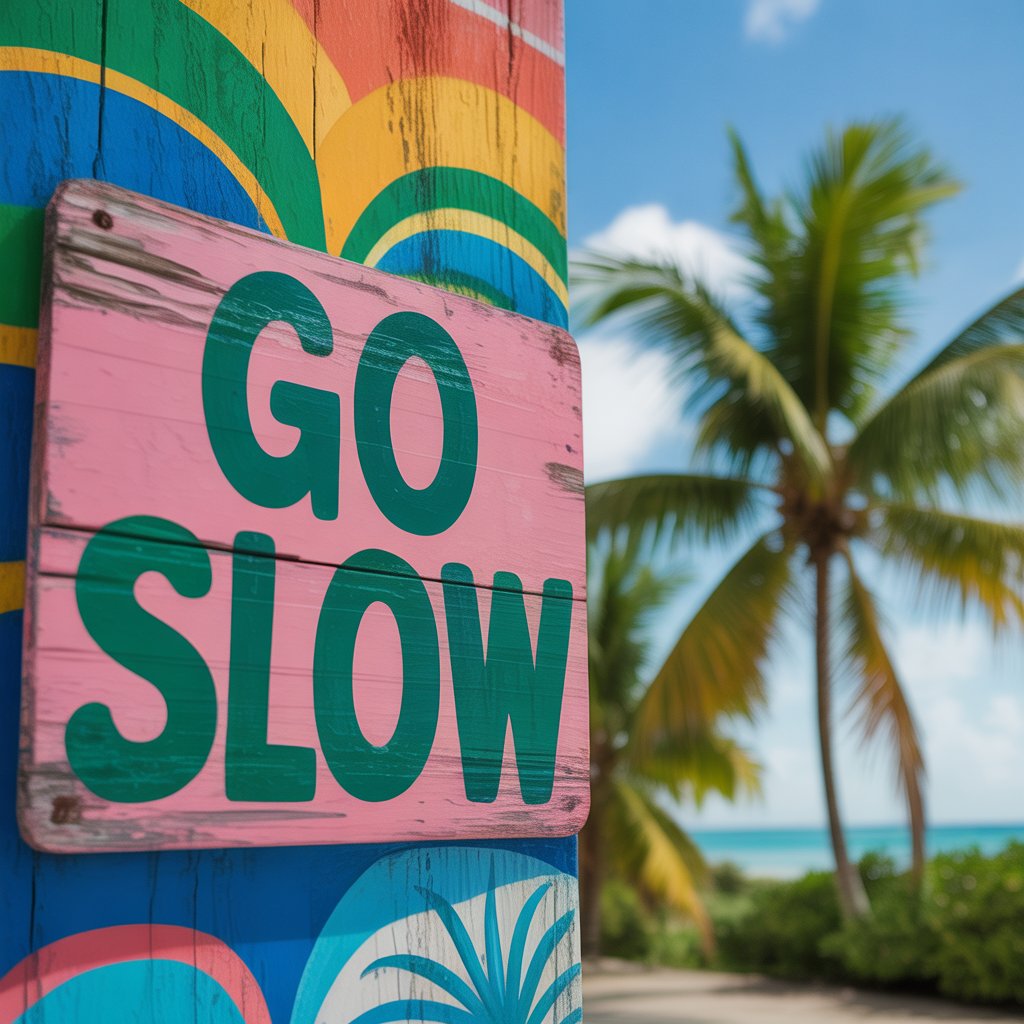
Planning a Caribbean getaway but fed up with the crowds and tourist traps that come with the typical resort experience? Caye Caulker has something different in store for you—an authentic island experience where “Go Slow” is more than a motto, it’s a lifestyle.
This island, which is five miles long and sits off the coast of Belize, offers all the things that the traveler wants: snorkeling on the Barrier Reef, lobster dinners at sunset, and beaches on which the only dress code is bare feet. And it is blissfully undeveloped. There are no cars, no high-rise buildings, and no pretense.
This ultimate guide goes beyond generic travel tips to give travelers the real information they need. From specific budgeting costs to the best time of year to visit based on weather, this guide gives readers the inside information they need to take a great vacation and turn it into an unforgettable experience. Whether it’s a three-day or three-week vacation, traveling alone or with the family, and whether it’s a backpacker’s budget or a splurge vacation, this guide has the information needed to experience Caye Caulker like a local.
Quick Facts:
Best Time to Visit: November through April (dry season)
Location: 21 miles northeast of Belize City
Size: 5 miles long, less than 1 mile wide
Population: Approximately 2,000 residents
Currency: Belize Dollar (BZD), 2:1 with USD
Quick Facts Box:
- Location: 21 miles northeast of Belize City
- Size: 5 miles long, less than 1 mile wide
- Population: Approximately 2,000 residents
- Currency: Belize Dollar (BZD), 2:1 with USD
- Best Time to Visit: November through April (dry season)
Planning Your Trip: When to Visit & How to Get There
Best Time to Visit Caye Caulker
Knowledge of the seasonal patterns of Caye Caulker is essential for planning the perfect trip. Caye Caulker has two seasons that impact the experience and the budget significantly.
The months from November to April are considered to be the dry season and the peak season as well. The climate during this time is characterized by bright sunshine, calm Caribbean waters that are ideal for snorkeling, and very little rainfall. The average temperature during this time is a pleasant 75-85°F, and the trade winds act as a natural air conditioner.
May through October:The rainy season, with afternoon showers that usually only last an hour or two before clearing up, occurs from May to October. Although this season includes the hurricane season (June to November), there is little chance of a direct hit. The biggest benefit of traveling during these months is that prices are much lower—hotel rates can be 30-40% cheaper than the peak season. The ocean is still warm enough to swim in, but snorkeling visibility may be slightly impaired by the rains.
Special mention for lobster season: During mid-June and up until February of the following year, lobster fishing is allowed in Belizean waters, making this the best time for seafood lovers. Restaurants all over the island offer fresh lobster cooked in dozens of ways, ranging from the usual grilled to innovative fusion cuisine.
How to Get to Caye Caulker
Getting to this laid-back island paradise requires a bit of planning, but the journey is part of the experience, offering scenic coastal views and easy connections from major travel hubs.
From Belize City (Water Taxi)
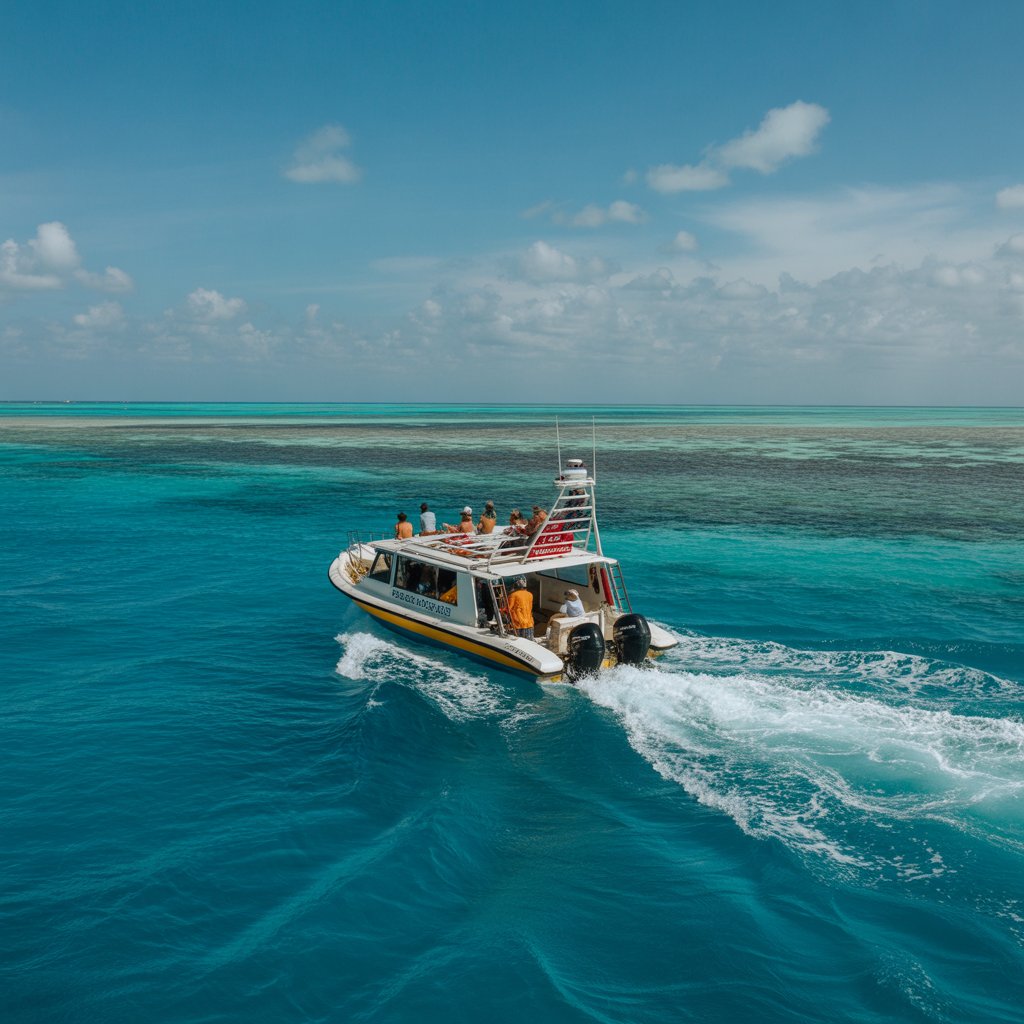
The most common way to reach is by water taxi from Belize City’s Marine Terminal, conveniently located near the city center. Two main operators—San Pedro Belize Express and Ocean Ferry Belize—run multiple departures daily.
The crossing takes approximately 45 minutes and costs $20–25 USD one way, with departures generally every two hours between 8:00 AM and 5:30 PM. Tickets can be purchased at the terminal or online in advance during peak season.
From Philip S. W. Goldson International Airport (BZE)
Travelers arriving at Belize’s international airport have two main options to continue onward to Caye Caulker.
One option is to take a taxi to the Marine Terminal, which takes about 20 minutes and costs roughly $25–30 USD, then board a water taxi to the island.
Alternatively, visitors can fly directly to Caye Caulker’s small airstrip. Tropic Air and Maya Island Air operate several daily flights, with a flight time of just 15 minutes. While convenient, flights are more expensive, typically costing $80–100 USD one way.
From San Pedro (Ambergris Caye)
Caye Caulker and Ambergris Caye are closely connected by frequent water taxi services, making island hopping simple. The journey takes around 30 minutes and costs approximately $15–20 USD.
With regular departures throughout the day, travelers staying in San Pedro can easily plan a day trip or split their time between both islands.
From Cancun or Other Mexican Destinations
Visitors traveling from Cancun or other parts of Mexico usually route through Belize City. This can be done via bus, shuttle, or flight, followed by a water taxi.
Some tour companies offer combined or direct travel packages, but it is advisable to allow a buffer day in your itinerary, as border crossings and long-distance ground travel can be subject to delays.
Best Time to Travel to Caye Caulker
Choosing when to visit Caye Caulker can significantly affect both your experience and budget.
Dry Season (November to April)
The dry season is the most popular time to visit. Travelers can expect sunny days, calm waters, and ideal conditions for snorkeling and diving. Temperatures typically range between 75–85°F, with cooling trade winds throughout the day.
Because this is peak season, accommodation prices are higher and availability can be limited. However, many visitors find the reliable weather worth the added cost.
Rainy Season (May to October)
The rainy season brings short, often afternoon showers, which usually clear quickly. Although this period overlaps with hurricane season (June through November), direct impacts on Belize are uncommon.
A major benefit of visiting during these months is lower pricing. Hotels often offer 30–40% discounts, and the island feels quieter and less crowded. The sea remains warm, though snorkeling visibility may decrease temporarily after heavy rain.
Lobster Season (Mid-June to February)
Seafood lovers should note Belize’s lobster season, which runs from mid-June through February. During this time, restaurants across Caye Caulker serve fresh lobster prepared in a variety of styles, from simple grilled dishes to inventive Caribbean fusion plates.
How to Get Around the Island
One of the best things about Caye Caulker is that it is a car-free zone. There are three ways to get around the island, and they are suited for different types of travelers.
Walking is a perfectly functional mode of transportation for most tourists. The developed side of the island, located in the south, is no more than 1.5 miles from the main dock to The Split, so everything is within walking distance. The sandy streets and relaxed atmosphere promote walking, and most of the restaurants, shops, and hotels are in a small area.
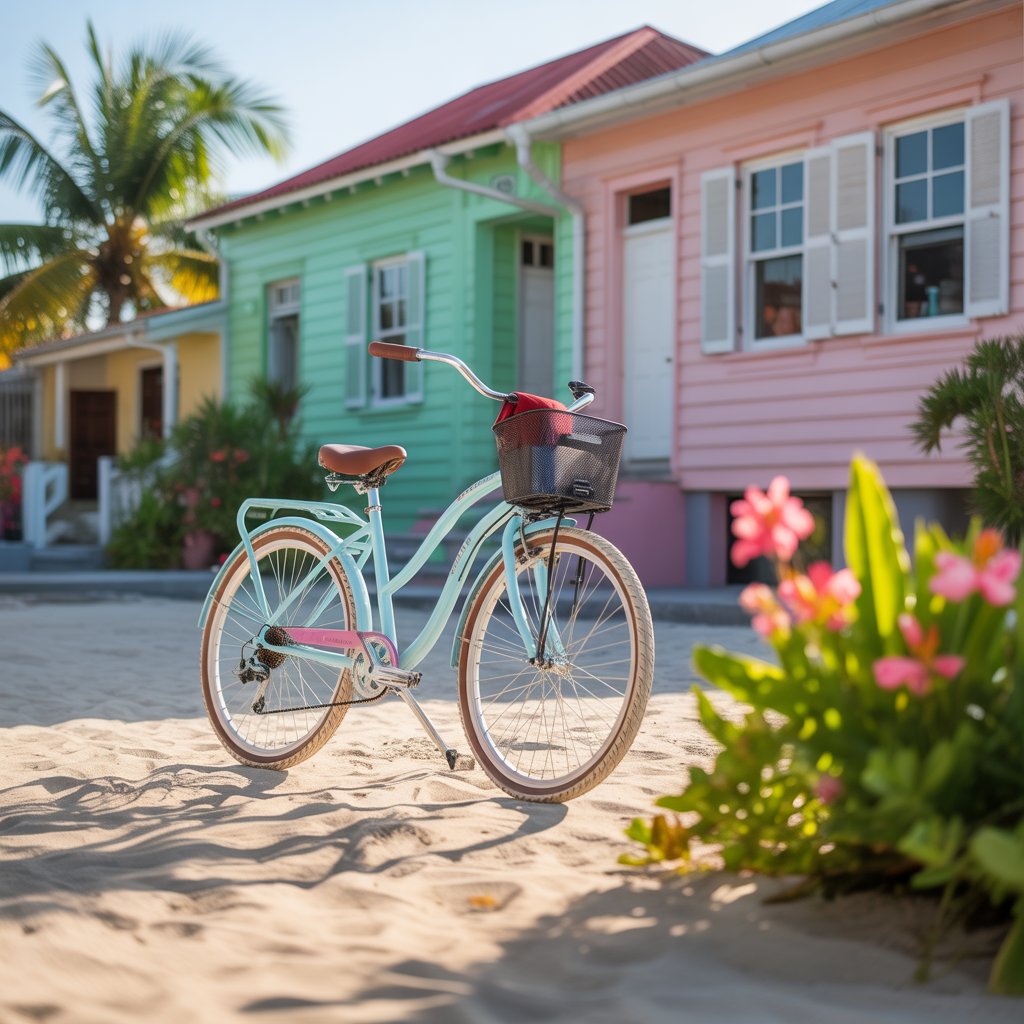
Cycling is the most popular mode of transportation. There are many stores that rent bikes for $10-15 BZD per day ($5-7.50 USD), and cycling is extremely easy due to the flat landscape. With a bike, tourists can explore residential areas, go to more distant beaches, and transport beach equipment without any problems. Many hotels offer free bikes for their guests.
Golf carts can be rented for $50-75 per day, although they are not needed unless one has mobility issues or intends to visit the northern side of the island on a regular basis. The roads are congested enough with golf carts during peak times, which goes against the “Go Slow” attitude.
Daily Budget Breakdown
Caye Caulker has options to suit all budgets, whether backpackers or those seeking luxury.
Budget Travelers ($50-75 USD/day): Hostel dormitory rate ($15-25/night), street food and budget eateries ($15-20/day), free activities such as swimming and walking along the beach, one affordable snorkeling tour ($40-50), bicycle rental fee ($5-7), and miscellaneous expenses.
Mid-Range Travelers ($125-200 USD/day): Private guesthouse room ($60-100/night), meals at local restaurants ($30-50/day), one premium tour such as snorkeling or diving ($75-100), bike rental, and funds for drinks, tips, and souven
Luxury Travelers ($300+ USD/day): Boutique hotel or beach resort ($150-250/night), fine dining experiences ($75-100/day), private activities and tours ($150-200), golf cart rental, spa services, and cocktail hour at sunset.
Top 10 Things to Do in Caye Caulker
#1: Full-Day Snorkeling Tour
The highlight of any trip to Caye Caulker, a full-day snorkeling trip will give you a glimpse into why the Barrier Reef in Belize is a UNESCO World Heritage Site. These trips usually take place between 9:00 AM and 3:00 PM and include three to four stops.
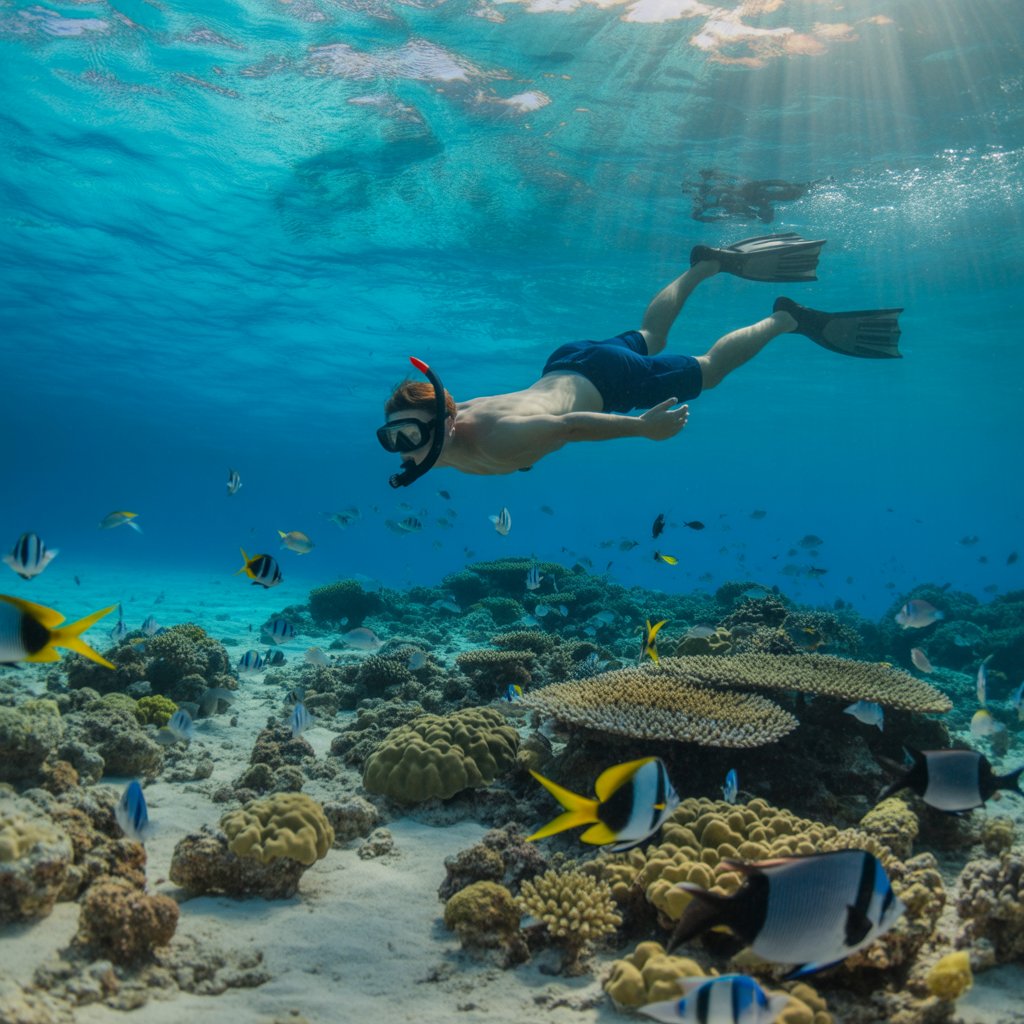
Hol Chan Marine Reserve is the first stop for most excursions. This protected zone offers breathtaking coral walls that are home to numerous tropical fish. The snorkeler gets to swim through the underwater channels as angelfish, parrotfish, and sergeant majors swim along with them.
Shark Ray Alley is where the adrenaline fix that many travelers are looking for is provided. In shallow waters with a sandy bottom, nurse sharks and southern stingrays congregate in large numbers. Although looking intimidating, nurse sharks are docile creatures that swim gracefully below and around snorkelers. Adventurous visitors can observe stingrays performing their beautiful underwater ballet just a few inches away.
Other stops may include Coral Gardens, where beautiful brain coral and elkhorn coral formations make for an underwater paradise, and feeding grounds for sea turtles. Tours may also include areas where manatees have been known to periodically come up to the surface.
Legitimate tour companies offer all the necessary gear (mask, snorkel, fins), as well as snacks, rum punch, and informative guides who can tell you all about the marine ecosystem. Prices are reasonable at $50-75 per person.
#2: The Split – Island’s Social Hub
Where Caye Caulker literally divides into two, the adventurous waters of the hurricane formed the most popular meeting spot on the island. The Split serves as a beach, bar, and social hub all in one Caribbean experience.
The Lazy Lizard Bar is the hub of this spot, serving chilled Belikin beers, frozen drinks, and a front-row seat to Caye Caulker’s hottest action. Tourists lounge on the wooden deck, swing from ropes straight into blue water, or dive from the platform into deep channels where the current runs between the two parts of the island.
Unusual for most of the Belizean coast, The Split provides true deep water, making it perfect for swimming. The sandy bottom and calm waters (except during the current changes) make it a great place to cool off in the hot afternoon sun. Local teens display their acrobatic flips off the platform, while visitors relax on flamingo rafts.
Sunset turns The Split into a magical place. With the golden colors of orange and pink painting the sky, it seems that the whole population of the island has come to this spot. Sometimes live reggae or punta music is played there.
The Split is free to enter, although if people are going to use the facilities, it is expected that they will buy drinks or food from Lazy Lizard.
#3: Sunset with Stingrays
One of the most unique experiences available on Caye Caulker takes place every evening at sunset at the Iguana Reef Inn. The shallow waters near their dock are a magnet for southern stingrays, and inn employees give guests the opportunity to wade out into the knee-deep water to feed these elegant creatures by hand.
The stingrays move effortlessly through the water, their wing-like fins making hypnotic patterns. As the sun sets towards the horizon, onlookers stand in the warm Caribbean waters, feeling the gentle suction of stingray mouths against their palms as the creatures eagerly devour pieces of fish. Their smooth skin belies their frightening appearance.
This experience does not require any special skills or equipment, only the desire to stand in shallow water and follow simple directions for feeding. The combination of the natural experience and the stunning sunset view provides memories that will last longer than any postcard. Many visitors who are initially hesitant about touching marine life find themselves completely captivated.
The activity is free for guests of Iguana Reef Inn and normally costs around $10 USD for non-guests, although orders from the bar are appreciated.
#4: Great Blue Hole Scenic Flight
For the traveler looking for a unique perspective on one of the world’s most amazing geological wonders, a scenic flight over the Great Blue Hole is an unforgettable treat. This near-perfect circle, over 1,000 feet in diameter and 400 feet deep, stands out as a dark blue sapphire shape against a lighter turquoise background.
Small planes leave from the airstrip in Caye Caulker, flying around the Great Blue Hole while passengers take photos of the beautiful contrast between the blue hole and the coral reef. The bird’s-eye view shows the hole’s perfect circular shape and the limestone structure that makes this place a dream destination for expert divers.
Flight vs. Diving Comparison: Although it is possible to dive the Great Blue Hole, the advantages of the scenic flight make it the better choice for most people. Diving is advanced-level certification, $300-400 USD, a long boat ride, and seeing relatively little marine life once in the water—the hole is famous not for its sea life but its unique geological feature. The scenic flight is $150-250 USD per person, depending on the size of the group, and lasts only 90 minutes..
The tour also flies over the beautiful coral atolls and lagoons that surround the Great Blue Hole, providing a well-rounded aerial tour of the barrier reef system in Belize.
#5: Scuba Diving the Barrier Reef
Seasoned divers regard Caye Caulker as a great location from which to explore many world-class dive sites. The Belize Barrier Reef, the second-largest in the world, provides excellent visibility, coral formations, and marine life.
Best dive spots that can be reached from Caye Caulker include the Hol Chan Cut, where currents bring nutrients through narrow channels, attracting fish, sharks, and rays. Caye Chapel has impressive coral walls that slope into deeper areas where pelagic fish can be found. Turneffe Atoll, which requires longer boat rides, has beautiful coral gardens and opportunities to see eagle rays, dolphins, and even whale sharks during migration periods. Local dive shops provide PADI certification courses, guided dives for certified divers, and specialty courses. Two-tank dive trips usually run between $95-150 USD, and renting equipment will add another $30-40 USD if you’re not bringing your own.
Local dive shops offer PADI certification courses, guided dives for certified divers, and specialty courses. Two-tank dive trips typically cost $95-150 USD, with equipment rental adding $30-40 USD for those who don’t bring their own gear.
The calm, clear waters surrounding Caye Caulker create ideal conditions for both novice and experienced divers, with year-round diving possible and water temperatures staying comfortably warm.
#6: North Island Beach Day
Beyond The Split lies the less-developed northern portion of Caye Caulker, home to the island’s actual sandy beaches. Koko King and other beach bars have established operations here, creating laid-back spots perfect for escaping the more crowded southern section.
The northern beaches feature soft sand (a rarity on Caye Caulker), calmer waters, and fewer tourists. Visitors can rent kayaks, paddleboards, or simply claim a beach chair and spend hours reading, swimming, and soaking up Caribbean sunshine in relative solitude.
The journey north requires either a water taxi from The Split ($5-10 BZD round trip) or a longer bicycle ride through residential areas. The semi-remote location means fewer amenities but more authentic beach experiences.
Several beach clubs offer food and drink service, beach equipment rentals, and sometimes live music on weekends. This area represents what Caye Caulker likely resembled decades ago—unspoiled, quiet, and utterly peaceful.
#7: Explore by Bicycle
Renting a bicycle and spending an afternoon exploring Caye Caulker reveals the island’s authentic character beyond the tourist corridor. Pedaling through residential neighborhoods, visitors encounter local life: children playing soccer in sandy yards, fishermen mending nets, and elderly residents relaxing on painted porches.
The island’s compact size and flat terrain make cycling easy for all fitness levels. A self-guided tour might include riding to the southern tip where the island ends abruptly at rocky shoreline, visiting the small soccer field where intense matches occur most evenings, or simply wandering streets to discover hidden murals, local shops, and quiet beaches known mainly to residents.
Early morning rides offer the best experience—temperatures remain comfortable, streets are nearly empty, and the island awakens slowly to another day of Caribbean living.
#8: Ice and Beans Experience
No visit to Caye Caulker is complete without experiencing Ice and Beans, a beachfront café that has achieved cult status among repeat visitors. This simple establishment serves excellent coffee, fresh smoothies, and light breakfast items, but its real appeal lies in the setting.
Comfortable hammocks stretch between palm trees just steps from lapping waves. Visitors order their drinks, then claim a hammock and settle in for hours of reading, napping, or simply watching pelicans dive for fish. The café embodies the “Go Slow” philosophy perfectly—there’s no rush, no pressure to order more, and no judgment for spending an entire morning swaying gently in a hammock.
Ice and Beans has become an island institution where travelers from around the world compare experiences, share travel tips, and form friendships that sometimes last long after vacations end.
#9: Fresh Lobster Feast
From mid-June through February, Belize’s lobster season transforms Caye Caulker into a seafood lover’s paradise. Restaurants across the island serve fresh Caribbean spiny lobster prepared in countless ways—grilled with garlic butter, served in rich coconut curry, tucked into tacos, or combined with pasta.
Best restaurants for lobster include traditional spots where local fishermen deliver the day’s catch directly to kitchen doors. Prices are remarkably reasonable compared to similar meals in North America or Europe, with full lobster dinners typically costing $20-35 USD.
Many visitors structure their trip specifically around lobster season, and local establishments compete to create the most creative lobster dishes. Some restaurants offer “lobster nights” with special pricing, live music, and festive atmospheres that blend delicious food with authentic Caribbean culture.
#10: Simply “Go Slow”
Perhaps the most important activity on Caye Caulker requires doing remarkably little. The island’s famous motto encourages visitors to release their typical vacation urgency and embrace Caribbean time.
This might mean watching sunrise from a beachside pier with only pelicans for company, spending entire afternoons on a beach swing watching clouds drift across endless blue sky, or sitting at a waterfront bar as day transitions to night without feeling the need to be anywhere else.
Caye Caulker teaches valuable lessons about finding contentment in simple pleasures: the taste of fresh coconut water drunk directly from the shell, the feeling of warm sand between toes, the sound of gentle waves providing nature’s soundtrack. Travelers who embrace “Go Slow” often report that these unstructured moments become their most cherished memories—proof that sometimes the best experiences cannot be booked, scheduled, or photographed.
Where to Stay in Caye Caulker
Accommodation options on Caye Caulker range from budget-friendly hostels where backpackers swap stories to boutique hotels offering Caribbean luxury.
Budget Options ($15-30 USD/night): Several hostels provide dormitory-style accommodation with shared bathrooms, communal kitchens, and social common areas. These establishments attract younger travelers and those prioritizing budget over privacy. Many offer complimentary bicycles, organized social events, and helpful staff who share insider tips.
Mid-Range Guesthouses ($60-120 USD/night): This category represents the best value for most travelers. Family-run guesthouses offer private rooms with air conditioning, private bathrooms, and often small balconies or porches. Many include breakfast, bicycle use, and knowledgeable owners who genuinely care about guests’ experiences. These properties combine comfort with authentic local hospitality.
Luxury Accommodations ($150+ USD/night): Boutique hotels and beachfront resorts cater to travelers seeking premium amenities. These properties feature spacious rooms with modern design, private docks, infinity pools, on-site restaurants, and concierge services. Some offer direct beach access—a valuable commodity on an island where true sandy beaches are limited.
Best Areas to Stay: The central area near the main dock provides easiest access to restaurants, shops, and tour operators, though it can be noisier. Accommodations closer to The Split offer proximity to the island’s social hub but involve slightly longer walks to town. The quieter southern and northern sections provide more tranquility but require bicycles for convenient island exploration.
Booking in advance is essential during peak season (December through April), while shoulder and low seasons often allow for last-minute deals.
Final Thoughts: Why Caye Caulker Will Steal Your Heart
Caye Caulker succeeds where many destinations fail—it remains authentically itself despite increasing tourism. The island hasn’t sacrificed its soul for profit, hasn’t replaced colorful local character with generic beach resort anonymity, and hasn’t abandoned the “Go Slow” philosophy that makes it special.
Visitors arrive seeking beautiful beaches, excellent snorkeling, and Caribbean sunshine. What they discover goes much deeper: a place where strangers become friends over shared sunset views, where time’s usual urgency dissolves into tropical air, and where simple pleasures—fresh lobster, gentle waves, genuine smiles—become profound experiences.
This island won’t suit everyone. Travelers requiring constant entertainment, extensive shopping, or resort-style luxury should look elsewhere. But for those willing to embrace barefoot wandering, unhurried days, and authentic Caribbean culture, Caye Caulker offers something increasingly rare: the chance to truly disconnect, genuinely relax, and remember what traveling should feel like.
The island will change visitors more than they’ll change it. They’ll return home walking slower, stressing less, and carrying memories of a tiny island that proved paradise doesn’t require perfection—just palm trees, warm water, and the wisdom to go slow.

