
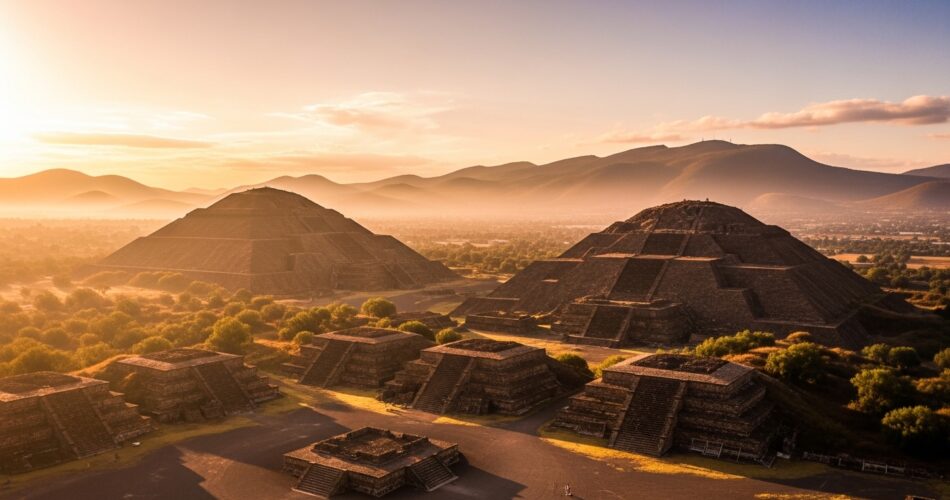
The destinations of Mexico are on the menu of most travel guides: Cancun, Tulum, Mexico City. Check. Done.
But Mexico isn’t a checklist. It’s a transformation.
It is the first time that you come to know that old pyramids are not buildings but it is the entrances to the world of civilizations who had another concept of time. The little village is where you find out that slow living is not a fashion it is merely a prudence that has been conferred over the centuries. The reason is that, it is the discovery that, the ultimate travelling experiences are always found along those roads which are not meant to be travelled.
This guide is different. Rather than the 20 best places to travel to, we visit those destinations where your ideology changes. where you do not visit– you are changed.
Let us explore Mexico not as a tourist, but as a person who happens to visit it in order to go somewhere deeper.
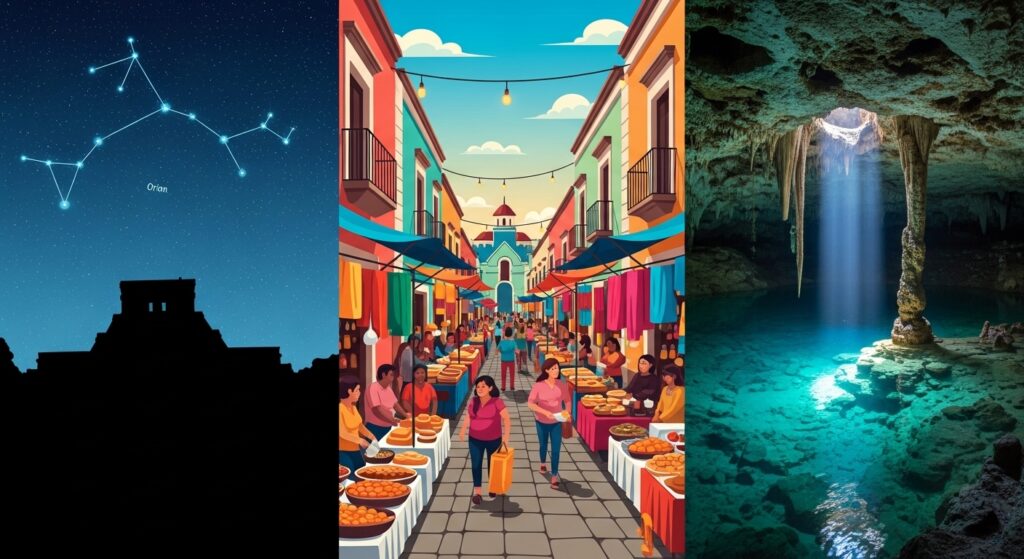
The Three Mexicos: What You Will See
Mexico isn’t one thing. It is three different worlds, each addressing to a certain part of you.
The Mexico of Time
Enter Teotihuacan at dawn and you stand in the footprints of astronauts who created a city according to the stars in Teotihuacan. These weren’t accidents. The people who constructed these pyramids were the ancients, and they knew these truths: that time is sacred, space is important, and the universe is speaking, if you know how to hear.
Not only old are Chichen Itza, Monte Alan, the cenotes of Yucatan. They are physical evidence that people used to measure infinity in ways which are only now coming to be rediscovered by people.
And with the sun and the pyramid in line, When you stand on the summit of the stone, It changes something in you. Your phone feels irrelevant. You find yourself in an insane routine. Time breaks and you are in a presence which you may not have had years.
The question Mexico asks here: How would your life change if you perceived time as money rather than time as something sacred?
The Mexico of Rhythm
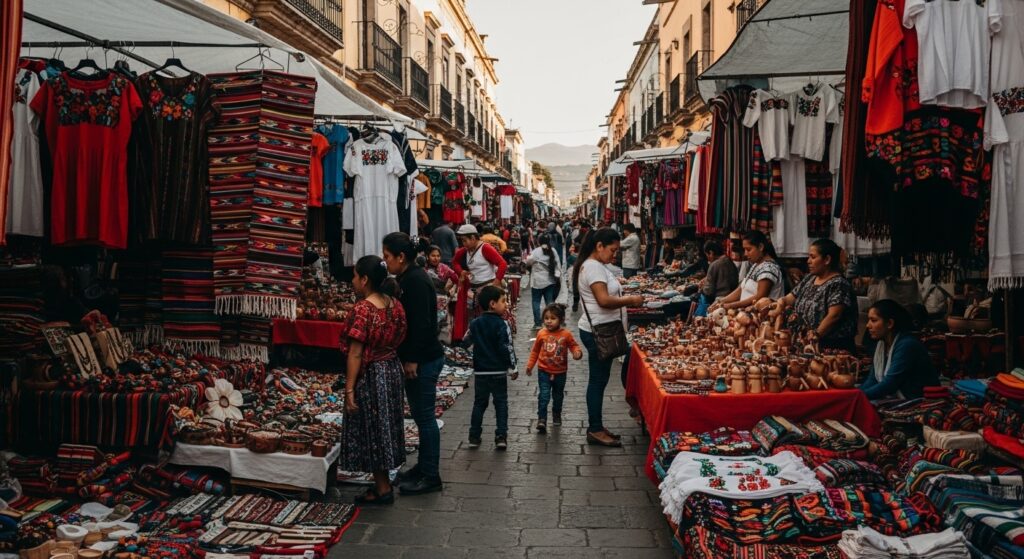
The city of Oaxaca plays to another beat. Meals last hours. Conversations meander. Children are in the streets and adults are seated in stoops without seemingly having anything urgent to do.
San Miguel de Allende is full of musicians who quit corporate life during their quest to find the real thing. The intensity of the bohemian is felt. Creativity is as colonial as humidity before rain.
One is not just observing a different rhythm in these places: It is as though he is re-calibrating his nervous system. Its beating in the heart is some primitive. The incessant mental discussion dies off. You know what it is like to be alive rather than busy.
This is in which you get to know that efficiency is not synonymous with meaning. The list of accomplishments is not as valuable as a four-hour family dinner.
The question Mexico asks here: What is happening when you decide to give yourself permission to take your time with the world?
The Mexico of Water
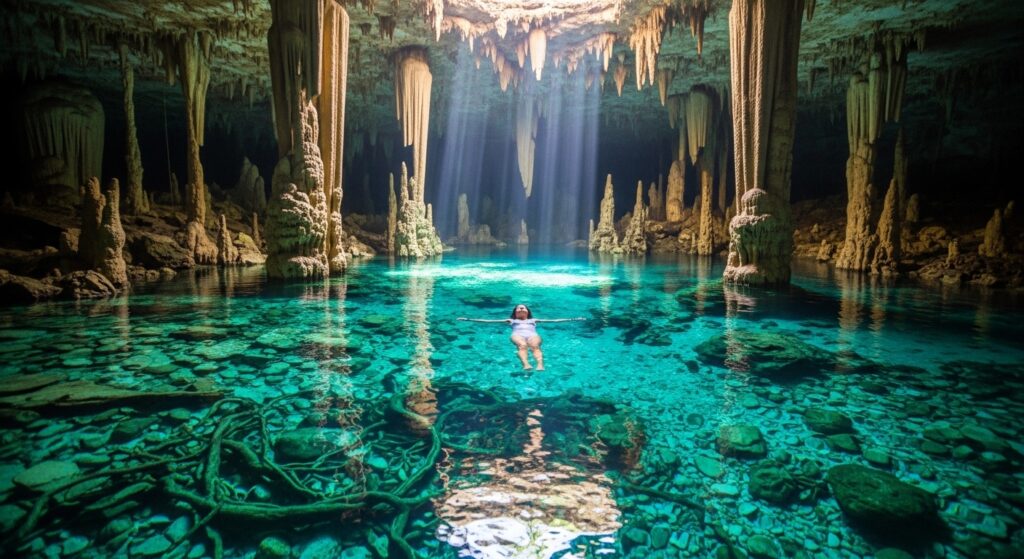
The Mayans thought that the underworld existed in cenotes, which were underground lakes filled with freshwater located under the jungle. That is not all these were water sources. They were portals.
Float in a cenot and you know why. The water is so smooth so clear it seems you are floating. Darkness surrounds you. The world above doesn’t exist. In that trance that your mind gets out of all but the present.
It’s not meditation. It’s rebirth.
The waters of the Caribbean, the lagoons, the coasts that have not yet been reached by tourism, the concealed beaches, these are the liquid soul of Mexico. It is in them that you blur the distinction between the self and the sea, fear and freedom.
The question Mexico asks here: What will show when thou hast lost self and flight In something bigger than the self?
Seasonal Magic: The Things that Each Season Says about You
Mexico does not switch according to the seasons. It displays various sides of what you could be like.
December- February: The Season of Light
The winter comes and the Mexico is shining. The light is ideal, it is warm, without being oppressive, and clear without being harsh. There is a reason why this is peak season
But even more than weather changes. Decorations of Day of the Dead are still luminous during these months. The streets are full of the New Year energy. The Christmas festivals have a mixture of the Spanish colonial with the local traditions. You are dancing between time and time.
The partying is not only tourism. It’s genuine celebration. Mexico celebrating itself.
Usually, when you are standing in this light, and you are going along the streets where the music plays, and the marigolds are in, you see why the ancients pitched their temples to the sun. Light does not merely light up, but it changes mood, memory, meaning.
The question: How echo those are those moments of light in your heart when you go?
March to May: The Season of Revision
Spring rain wipes out the visitors but opens up all the other things. Desert’s color turns into green. A collective breath has been felt the whole nation over.
It has the benefit of fewer people around you and seeing not only the tourist hotspots, but also Mexico itself. It is not that the grandmother who is preparing tortillas is on stage before an audience but she is preparing food to her family. The entertainer in the plaza does not perform any music just to amuse the people but he is playing because it is time of the year to be happy.
This is the period of time when cities are retrieved by locals. You are able to walk without crowds, hang without being in a hurry, and connect without disturbance.
The question: What will come when you are the one traveling in seasons that are not tourist oriented?
June to September: The Season of Substance
The landscape is changed each day by rain. Humidity climbs. There is insecurity in the hurricane season.
They are even more transformative because most tourists do not visit these months.
The energy of the spiritual elements is greatest when the land is wet with water and when the sky is dramatic. Incident Aboriginal rituals take place today. The barrier that divides the world of the living and the dead becomes thin. You are alone at last-in reality alone-to think about what is important.
Yes, it’s uncomfortable. Yes, rain interrupts plans. That is the point. In situations where you are forced to be flexible by the outside situations, when you are unable to control the weather, you learn to give in to something bigger.
The question: What manifests itself in loneliness and uncertainty only?
October and November: The Season of Remembrance
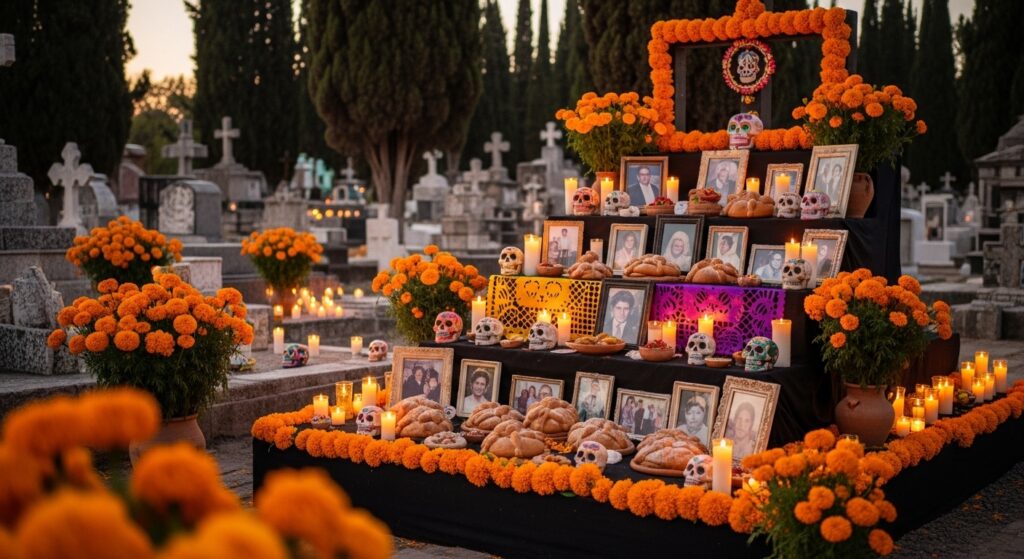
When October begins, the barrier between the living and the dead becomes so fine. It is the approach of Dia de Muertos (Day of the Dead) and an entire village is gearing to be united.
It is not a morbid celebration. It’s revolutionary. A whole culture has decided to celebrate death rather than death shy. Marigolds bloom everywhere. Favorite foods of the deceased are displayed in the altars. The people come together to commemorate.
You are standing in a cemetery at dawn, eating pan de muerto as people in the area are telling stories about their dead people and you know something very great; it is not that death is the end of the story. It just changes the chapter.
In the majority of the contemporary cultures, we conceal ourselves against death. Here, it is embraced. Here, it is sacred.
The question: What would you do more or less differently, were you to believe that death was a continuation, not an end?
The Hidden Timings
Out of season, some moments make Mexico what it is completely:
Dia de Muertos (November 1 2): When our parents are nearer than we are. Oh, the whole country pauses and recalls
Full Moons in the Yucatan: According to the locals, there is walking of spirits. Even though this is hard to believe it, floating along in a cenote in a full moon is a way of recharging your consciousness.
Holy Week (Semana Santa): When people march through your streets in ceremonies that are 300 years old. You witness living history.
The First Rain After Dry Season (May-June): It is the time when the gratitude is seen. Plants explode. Energy shifts. The nation breathes like a man.
Such timings are more important than weather predictions.
The Unplanned Pathways: The Way You Travel Changes You
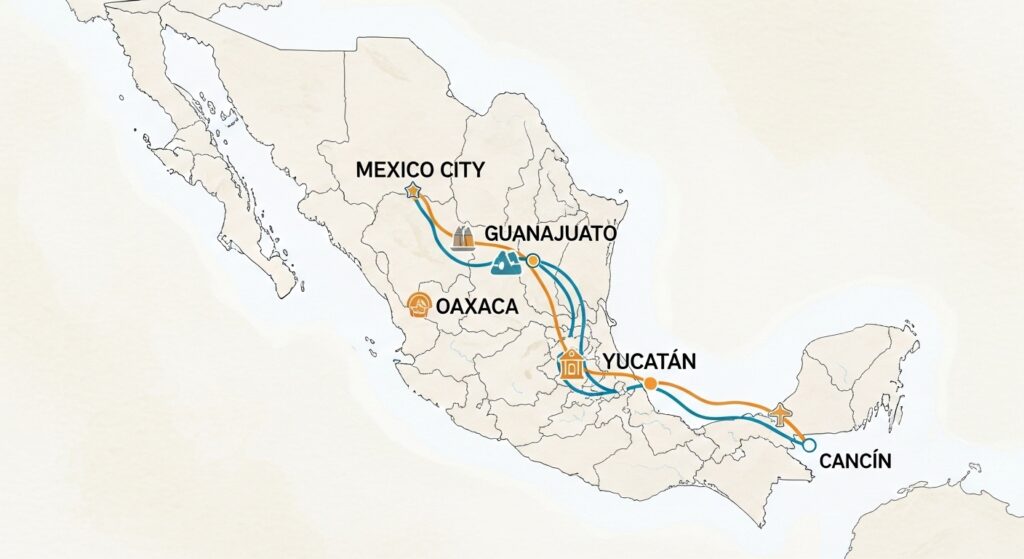
The question that a transportation guide usually answers is: A-B What is the quickest way to get there?
In the journey between A and B the revelation of Mexico comes out. The destination is the journey–literally as well as spiritually and in a transformational way.
Three Ways to Explore Mexico
The Clear-cut Trip: Mexico City–Cancun
You are aware of great towns and pre-meditated infrastructure. This route works. You’ll have a good trip. But you are playing what Mexico wants you to play, not whatever Mexico is
The Conscious Trunk: Mexico City – Oaxaca -Caribbean
You reconcile culture and nature. You layer different Mexicos. You see how old and new go side by side. This journey instructs you that Mexico is full of contradictions
The Transformative Route: Exploring the depths of Mexico City in Mexico City–Guanajuato–San Miguel de Allende–Oaxaca–Chiapas Yucatan
This will take 3-4 weeks and you need to be patient. It is a journey through whole cultural ecosystem. You observe the changing region to region of Mexico. You know there is, then, no one single Mexico: there are countless Mexicos at the same time.
It is the path that makes you exactly what it is: needing to give up time.
The Principle of Slow Routes
The majority of guides are working at cross purposes: they consider transportation as a problem that should be solved.
Mexico makes himself known slowly. The 12-hour ride on the bus during which you converse with an Oaxacan grandmother on how to make tamales. The misplaced turn that will result in a village party where there can never be just one outsider. The discussion in one of those roadside taqueria that transforms your whole perception about the family.
Ride by bus (where real Mexicans live, where the action is taking place). Via colectivo (shared vans-human pandemonium and jointness). Walking – travel is the finest way to know how a place really moves.
Do not use rental cars (it puts space between place and you), or tour buses (it prevents self-discovery).
The path of slow cognition is the quickest way to cognition
Four Transformative Experiences: How You’ll Think Differently
These are not tourist activities. These are conceptual changes
Experience 1: Sit with Death
Where: Dia de Muertos in any town, or a local cemetery any day
What happens: You observe how a culture takes to death- something our cultures do not do, of celebrating it, rather than hiding it.
You are in a cemetery in the dawn, and you share pan de muerto with people, you realize that your entire life instructed you to be afraid of death. Mexico is a lesson in other ways. In this case, death is not the end, it is a new beginning. The deceased are always there- in memory, thankfulness and even affection.
Why it changes: It is so we do not die, but Mexico asks us to party. This one point of view echoes through everything: the way you use your time, which things you are more focused on, and which things are important
Duration: 2-4 hours
Cost: Free
Question: So where would I live with no fear of death?
Experience 2: Learn at Indigenous Hands.
Where: Oaxaca (textiles), Michoacan (pottery), Yucatlan(traditional cooking)
How it works: You get to know how to do things as well as a philosophy. Preparing chocolate the Mayan way is not only about creating a beverage, but it is also a way of respecting a heritage
Four hours in the kitchen of a woman stuffing mole you get to know something that what four years of modern schooling does not teach you: learning is slow, drilling is romance, and style is the carriage–purpose is the soul.
Education in the modern world has faith in books. There are native cultures that have faith in hands, breath and presence.
Why it changes: Your association with knowledge is changed. You know, there are certain notions that can not be hurried or downloaded, but they need to be personified.
Duration: 2-8 hours
Cost: $20-60
Question: What did I know when I learnt With my hands, not my mind?
Experience 3: Float in Sacred Water.
Where: Cenotes of Yucatlan Peninsula (located in other parts of Mexico as well)
What happens: You have just entered a freshwater lake underground that Mayans thought was the outlet to the underworld. The water is such clear that it is like levitating. Darkness surrounds you. Your phone fails. No external contact. Thirty minutes you exist beyond time..
Your nervous system resets. You drift away in darkness and you get clarity.
Why it is changing: It is excessive overstimulation of our brains. The cascades of cenotes find all stimulus. Your mind happens to relax in that emptiness. You know what the real silence is like–such as most people have not known in years.
Duration: 1-2 hours
Cost: $5-20
Question: What does my mind do when all the external influence is absent?
Experience 4: One Week at one Place
Where: Anywhere. Choose one town. Live there.
What occurs: Within three days you are not anymore a tourist. On the fifth day, you become a graver interim. On the 7th day, you have the idea of the movement of the place
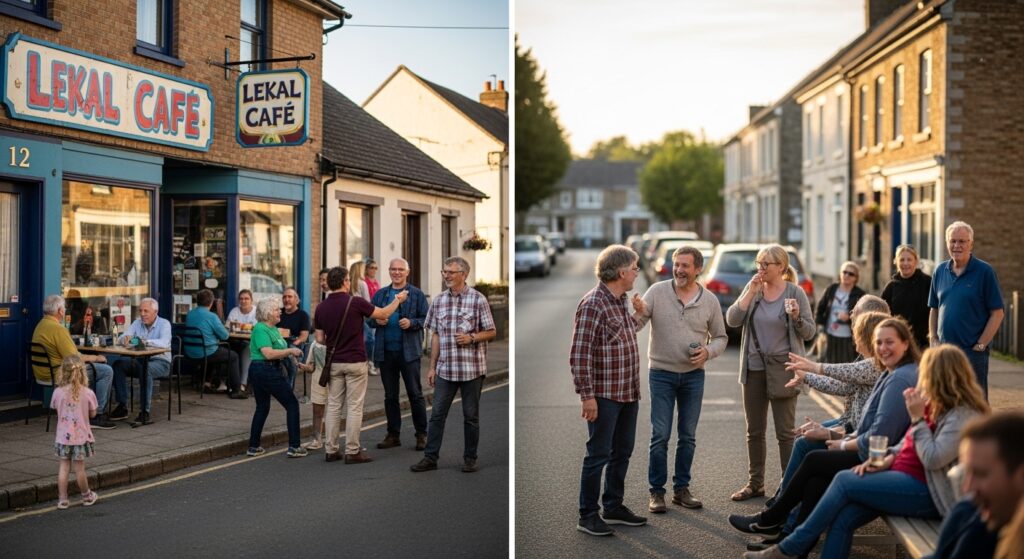
You have a favorite café. The owner knows your order. You’ve made small friends. You’ve been invited to something local. You’re woven into the fabric.
Tourism is about seeing. Living is about being. The next week, you are no longer gathering experiences but instead you create relationships.
Why it changes:Your habits will change permanently in regards to traveling. You know depth is better than breadth. An affiliation is better than just looking
Duration: 7 days minimum
Cost: $150-400 (accommodation) + food
The question: What supposition, though, that I came to visit it, but to belong to it?
The Traveler You’ll Become
The majority of persons travel to Mexico in order to leave their lives.
The greatest tourists go in order to know their life.
After Mexico, you evolve in certain manners.
You’ll move slower. You’ll sit longer over meals. You see that being efficient is not being meaningful. It is in your bones that rushing is wrong
You start doubting what you have been brought up to appreciate: success, productivity, accumulation. You observe that there are other ways of living and some of them may be good. The realization becomes part of you.
You have a different perception of death, it is not something that poses a threat but it is a rhythms of life. It is a change that reverberates everywhere: time spending habits, people that you focus on, things that really matter.
you are aware that there is a difference between living another way and just because it is theory. When you witness other people lucky to be in a peaceful world, you can feel it in your bones.
You are not coming back with answers but questions. That’s real learning.
And, most importantly, you can recognize that change is not a vacation side effect. You choose to allow it.
Mexico’s Central Question
Any popular place poses a question to its visitors.
Mexico’s question is simple:
What do you think you would do without the fear of being afraid?
Not physically, but psychologically.
Afraid of slowness. Afraid of death. Afraid of being wrong. Afraid of change. Afraid of standing out. Afraid of choosing differently.
Mexico is full of people who’ve decided to live anyway.
Mexico is not short of people who have resolved to just live. This is not about beaches, ruins or food (all of which are magnificent). It is about experiencing a culture that embraces liveliness in lieu of safety, being in lieu of being productive, and connected in lieu of being in control.
Ask yourself: What am I deciding?
Where to Start
It does not require ideal conditions in order to start.
Start in one place. Perhaps Oaxaca (rhythm and culture). Orada Yucatán (water and rebirth). Probably Mexico City (duration and intricacy)
Stay a week. Make one friend. Ask how they live. What matters to them. What is that worries them. What they love. Let that change you. Then take the next step.
Let that change you.
Then take the next step.
The Mexico you are supposed to explore is calling.
It’s the one that makes you ask: “Who do I want to become?”
It is the one that causes you to ask yourself: Who am I going to become? It all begins when you are willing to be changed rather than having been merely entertained.
Mexico is ready.
Are you?
One Final Thought
Logistics are typically the end of travel guides.
This one ends with a question:
What would happen should you not go to this world to see it, but to know yourself?
What, would you say, in case Mexico is a place where that finally happens?
Your journey starts now.

