
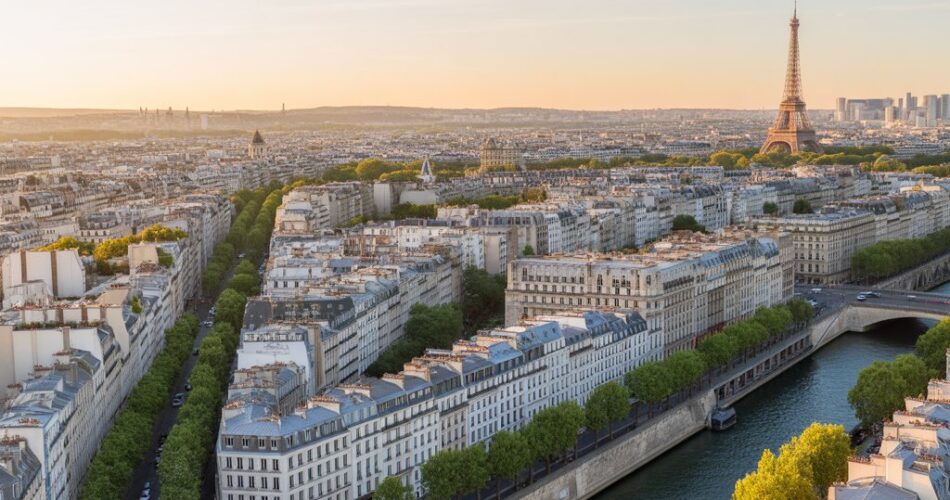
Paris, the City of Light, attracts millions of tourists every year with its breathtaking architecture, museums, and charming cafes. But before indulging in daydreams about croissants and the Eiffel Tower, tourists have one important question to answer: where to stay in Paris.
Finding the right neighborhood can make or break a Parisian experience. The unique flavor of Paris shifts radically from one neighborhood to another, and selecting the wrong place to stay can result in wasting valuable holiday time commuting on the metro.
How Paris Neighborhoods Work (Arrondissements Explained Simply)
Paris has a special organizational structure that at first puzzles many tourists. Paris breaks itself up into 20 administrative units called arrondissements, which begin at the center of the city and spiral clockwise.
The numbering system begins at the center of Paris, near the Louvre Museum, with the 1st arrondissement. The numbers spiral out from there like a snail shell, ending with the 20th arrondissement in the northeast corner of Paris.
Every arrondissement has its own unique character, architecture, and atmosphere. The lower-numbered districts (1st to 8th) are where the main attractions are located, in the heart of the city. The higher the number, the more residential and less touristy the area is, but still very charming.
Parisians frequently use the number of the arrondissement when referring to a neighborhood. A person may say they reside in “the 5th” or point out a restaurant “in the 11th.” This knowledge will assist the traveler in understanding how to communicate with Parisians and how to interpret information about accommodations.
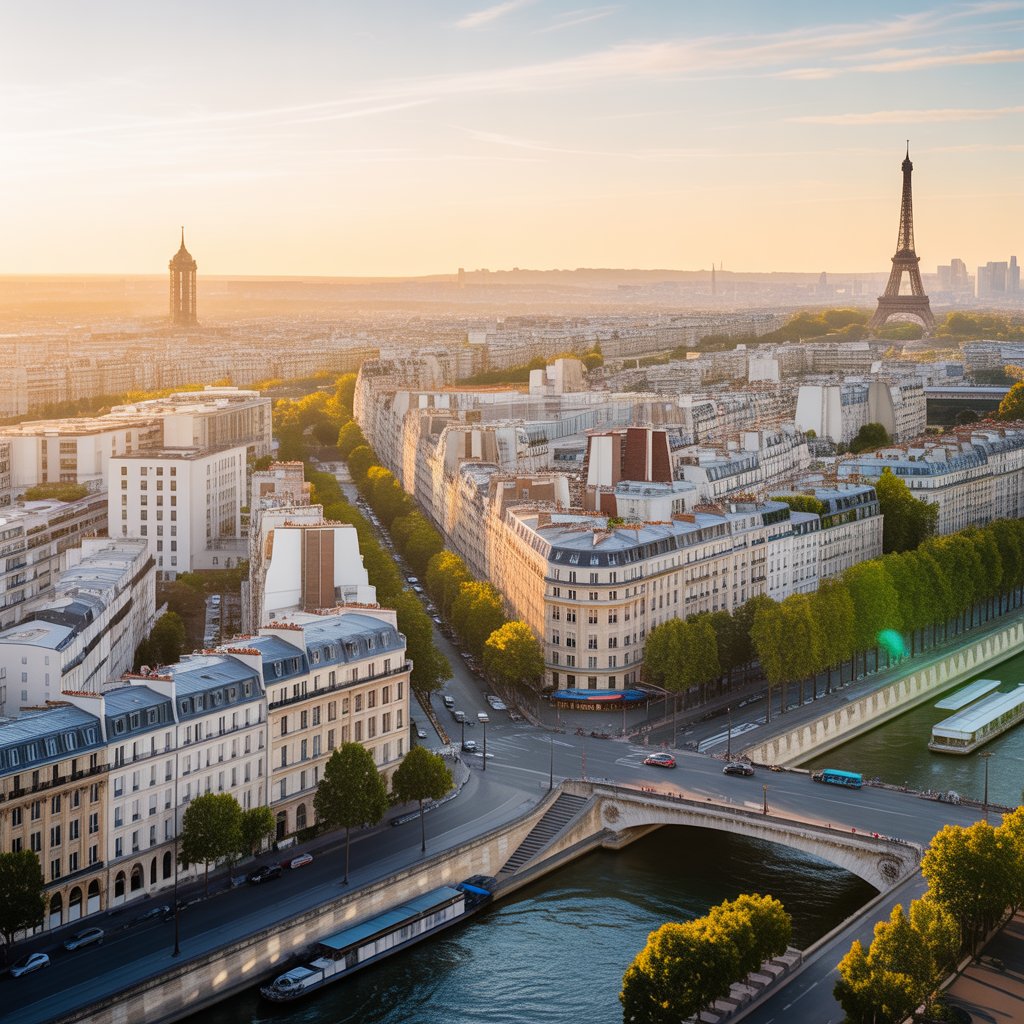
The Seine River divides Paris from east to west, thus establishing the basic geographical division of the city: the Right Bank (Rive Droite) in the north and the Left Bank (Rive Gauche) in the south. There are two islands in the Seine River, Île de la Cité and Île Saint-Louis, which belong to the 4th arrondissement.
Where to Stay in Paris on Your First Trip
First-time visitors to Paris will find that staying in centrally located neighborhoods is the best option for them, as it will provide them with easy access to popular sites and good public transportation connections.
The 1st arrondissement is the ultimate location for first-time Paris visitors. This area places visitors within walking distance of the Louvre, Tuileries Garden, and the historic heart of Paris. To come out of this neighborhood’s doors and find oneself immersed in Parisian postcard images is the ultimate Parisian experience. The area is indeed very touristy, but the location is worth the cost for a first-time visit.
The Marais, mostly in the 4th arrondissement, is another great option for first-timers. This historic neighborhood combines medieval buildings with modern boutiques, great restaurants, and lively nightlife. The Marais provides a more local Parisian atmosphere than the 1st arrondissement with outstanding access to the best attractions.
Saint-Germain-des-Prés in the 6th arrondissement is a favorite among tourists looking for the charm of the Left Bank. This upscale neighborhood is known for its literary cafes, art galleries, and lovely architecture. First-time visitors enjoy its convenient location and accessibility to the Latin Quarter and Luxembourg Gardens.
The Latin Quarter in the 5th arrondissement provides another solid option for Paris beginners. This historic student district combines academic prestige with lively street life. Narrow medieval streets wind past bookshops and bistros, while landmarks like the Panthéon add cultural interest.
The Best Paris Neighborhoods Overall (Ranked & Explained)
When evaluating where to stay in Paris across all criteria—atmosphere, convenience, dining, and overall experience—certain neighborhoods consistently rise to the top.
The Marais claims the top spot for many travelers. This neighborhood successfully balances historic charm with contemporary energy. Medieval buildings house cutting-edge fashion boutiques, while traditional Jewish bakeries sit alongside trendy cocktail bars. The Marais caters to diverse interests and its central location means most major attractions lie within walking distance.
Saint-Germain-des-Prés embodies Left Bank sophistication. Legendary cafés like Les Deux Magots and Café de Flore still serve intellectuals, artists, and tourists willing to pay premium prices for literary history. The neighborhood’s elegant streets showcase classic Haussmann architecture, high-end boutiques, and excellent restaurants.
Latin Quarter delivers an energetic, youthful vibe thanks to its concentration of universities and students. The neighborhood’s medieval street plan creates an atmospheric tangle of narrow lanes and unexpected squares. Budget travelers find better dining values here than in more upscale districts.
Montmartre offers village-like charm on a hilltop overlooking Paris. The Sacré-Cœur basilica crowns the neighborhood, providing panoramic city views. Winding streets reveal artist studios, cozy bistros, and authentic neighborhood life away from the crowded tourist areas.
Where Not to Stay in Paris (And When It’s Actually Fine)
Not all neighborhoods in Paris are suitable for all travelers, and certain areas of the city warrant consideration before making a hotel reservation.
The 18th arrondissement, which surrounds the area of Barbès-Rochechouart, has a reputation for being quite gritty. This multicultural district has markets and a local ambiance, but it is also known for pickpocketing. Solo female travelers have reported feeling uncomfortable in this area. Adventurous travelers who feel at ease in a city setting may enjoy this neighborhood’s local feel and affordable prices.
The northern parts of the 19th and 20th arrondissements are located well out of central Paris and do not have much to offer in terms of tourist attractions. First-time visitors will find little reason to remain in this area, although the neighborhoods are still considered to be safe.
The areas around major attractions are a different story altogether. The neighborhoods around the Eiffel Tower or the Louvre Museum are often very touristy and lack character, being completely geared towards catering to the needs of the tourists. The restaurants in these areas are known to serve substandard food at very high prices.
Notably, Paris is a relatively safe city compared to other big cities around the world. Even in some of the tougher neighborhoods, visitors can expect to be safe as long as they are aware of their surroundings.
Best Paris Neighborhoods by Travel Style
Different travelers prioritize different experiences when choosing where to stay in Paris.
For Couples: Île Saint-Louis delivers intimate charm perfect for romantic getaways. Saint-Germain-des-Prés offers sophisticated romance with elegant cafés and upscale dining. Montmartre’s hilltop setting creates a naturally romantic atmosphere.
For Families: The 5th arrondissement combines family-friendly attractions like the Natural History Museum with relatively calm streets. The 7th arrondissement’s wide boulevards and proximity to the Eiffel Tower appeal to families, though prices run high.
For Solo Travelers: The Marais excels thanks to its walkability, safety, and abundance of cafés perfect for solo dining. The 11th arrondissement attracts young solo travelers with its bar scene and hostel options.
For Foodies: The Marais offers diverse culinary scenes, from traditional delis to innovative restaurants. The 11th arrondissement features some of Paris’s best neo-bistros serving creative French cuisine at reasonable prices.
For Nightlife Enthusiasts: The 11th arrondissement hosts the city’s most vibrant nightlife scene with cocktail bars, live music venues, and late-night dancing. The Marais delivers reliable nightlife every evening.
Left Bank vs Right Bank: Which Is Better for You?
The Seine River creates Paris’s most fundamental division. The Right Bank encompasses the northern side and traditionally represented commerce and power. Today, it houses the Louvre, the Champs-Élysées, and Sacré-Cœur. The Right Bank offers more variety in neighborhood character and generally feels more energetic and commercial.
The Left Bank covers the southern side and historically attracted intellectuals, students, and artists. The Sorbonne, Latin Quarter, and Saint-Germain-des-Prés all call the Left Bank home. This side exudes a more intellectual, artistic atmosphere.
Travelers seeking nightlife, shopping, and energetic streets often prefer the Right Bank. Those prioritizing intellectual atmosphere and quieter evenings lean toward the Left Bank. In reality, Paris’s compact size makes the distinction less important than many guidebooks suggest.
Best Areas to Stay in Paris Without Breaking the Bank
The 10th arrondissement delivers excellent value, particularly the Canal Saint-Martin neighborhood. The 11th arrondissement ranks as another budget-friendly option with more character than outer districts. The 9th arrondissement south of Pigalle offers mid-range prices with solid location.
Budget travelers should focus on proximity to metro stations rather than distance from attractions. Visiting during shoulder seasons often yields better accommodation rates. Hostels now offer private rooms at prices below budget hotels.
Where to Stay in Paris If You Want to Avoid Tourist Traps
Belleville embodies multicultural Paris far from tourist circuits. Street art covers many walls, and restaurants serve cuisines from around the world at local prices. Canal Saint-Martin provides trendy cafés and pleasant walks away from major tourist concentrations.
Even in popular areas, certain strategies help visitors experience authentic Paris. Venturing onto side streets, visiting early morning, and choosing restaurants where locals eat all provide more genuine experiences.
Conclusion
Choosing where to stay in Paris depends on individual priorities, budget, and travel style. First-time visitors often benefit from central neighborhoods like the Marais, Saint-Germain, or the Latin Quarter. Budget travelers find excellent value in the 10th and 11th arrondissements, while those seeking authentic experiences might explore Belleville or Canal Saint-Martin.
Understanding the arrondissement system, recognizing both banks of the Seine, and matching neighborhood character to personal travel style helps visitors make informed decisions. With the right accommodation base, travelers can focus on experiencing the magic, beauty, and culture that make Paris one of the world’s most beloved cities.

